

Bakery
What can we do for you
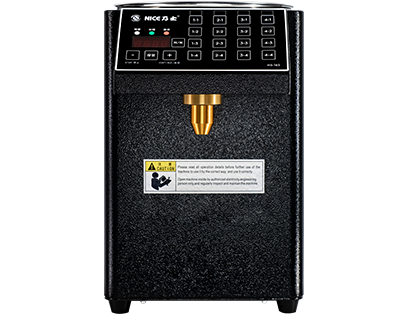
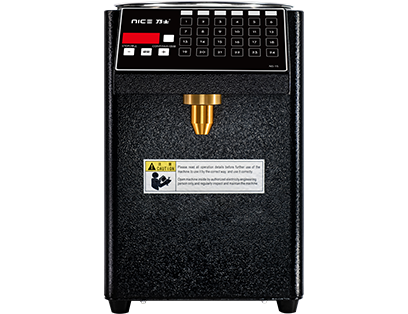
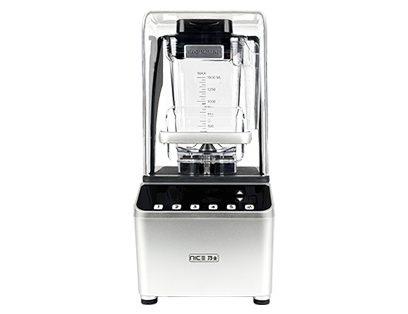
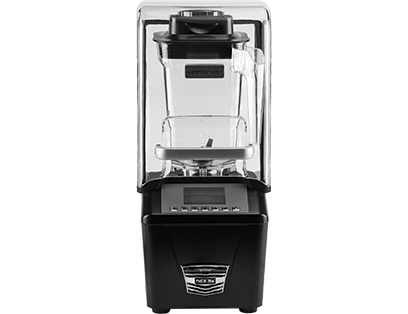
The introduction of beverage equipment to a bakery brings far more than just a few new drinks to the menu. It acts like a key, quietly unlocking a door to a more complete and dynamic commercial world. When you see a customer picking up a freshly made peach oolong tea to pair with a small slice of cream cake, settling comfortably by the window, what changes is not just the items in her hand, but the entire rhythm and atmosphere of the store. This refreshing shift begins with the equipment but ultimately permeates every aspect of the business.
The most immediate change is heard in the crisp sound of the cash register. A slice of cake paired with a drink becomes a natural choice. This combination significantly increases the value of a single transaction, like adding harmony to a once solitary melody. More importantly, the profit margin for beverages is often more attractive. Their addition optimizes the store's profit structure, making the business financially healthier. Furthermore, customers who initially came just for a drink might be tempted by the sweet aroma from the oven or a glimpse of an elaborately decorated cake in the display fridge, deciding to take a slice home. The low-frequency purchase of cakes and the high-frequency demand for drinks thus pull each other, weaving a tighter web of consumption.
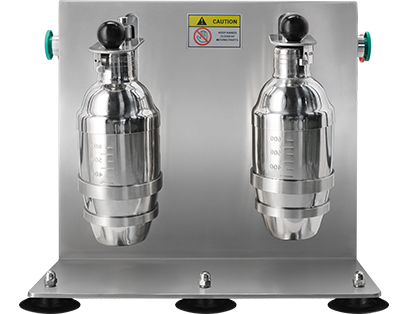
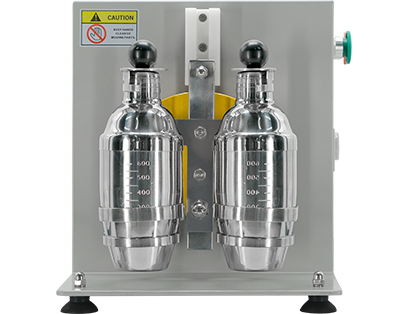
Time within the space begins to flow more slowly. With freshly made beverages available, people are more willing to pause, sit down, and enjoy. The store is no longer just a place for hurried packing and leaving; it gains the sounds of conversation, the gentle clink of cups and saucers, and a relaxed ambiance. A sense of community and warm sociability gradually takes root. This extends every minute of contact between the customer and the brand, quietly enhancing their fondness and loyalty. When the process of making a drink—whether the hiss of the espresso machine or the crisp shake of a cocktail shaker—becomes a small visual performance, it becomes part of the brand story itself, attracting attention and worthy of being shared.
The fluctuations of the business are also gently smoothed out as a result. Cake sales always have peaks and troughs; the bustle of afternoons and weekends contrasts with the quiet of weekday mornings. A morning Americano or an afternoon iced shaken lemon tea can perfectly fill these gaps. Seasonal impacts are balanced too; the popularity of iced drinks in midsummer makes up for the potential decline in cream cake sales, while the warmth of hot beverages in deep winter brings new appeal. Looking deeper into operations, many ingredients begin to be shared—milk, fruit, syrups—used both for baking and for crafting drinks. Procurement becomes more streamlined, waste is reduced, and efficiency is enhanced imperceptibly.
In this highly competitive market, uniqueness is the window to breathe. When every street has delicious cakes, that exclusive, specially crafted drink that perfectly complements the signature cake's flavor becomes the reason to be remembered. It is no longer just a simple pairing but evolves into a holistic gustatory experience, creating a memorable point that competitors find hard to replicate. The more frequent customer connections established through beverages are like fine, dense threads, tying customers more securely to the brand. Points earned from drinks can be redeemed for cake discounts, adding richer layers to membership programs and powerfully driving the cycle of repeat purchases.
Of course, there are cobblestones on this path that require careful attention. The initial investment, the selection of equipment, and staff training require meticulous planning. Consistency in quality is paramount; any drink that fails to meet taste expectations could impact the hard-earned reputation of the cakes. In a limited space, finding a way to integrate a preparation area without crowding is a challenge that demands clever solutions. Wise practitioners often choose a gentle start, introducing two or three of the most classic, foolproof drinks first, like testing the waters with a stone. Based on the response, they gradually design paired set menus and optimize the spatial layout, allowing drinks and cakes to move from simple coexistence to deep integration.
In the end, everything settles into the brand's character. The arrival of beverage equipment transforms a bakery from a dessert outlet into a "little oasis" offering a complete leisure experience. It no longer sells just products, but a pleasant moment, the joy of pairing, and a tangible delight. When the sweet scent of cake intertwines with the delicate fragrance of tea and the rich aroma of coffee in the air, a more three-dimensional, more approachable, and more resilient business model stands firm within this blended atmosphere. This is not merely about adding product categories; it is about redefining what kind of life moment a bakery can provide a sweet footnote for.