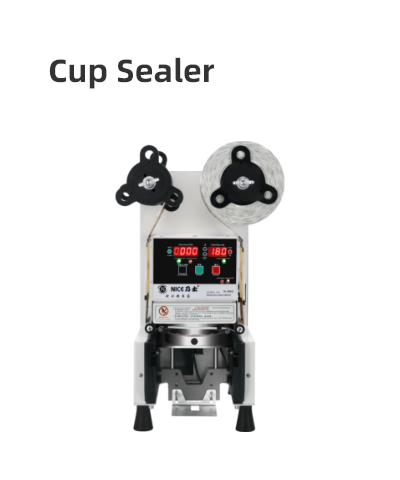
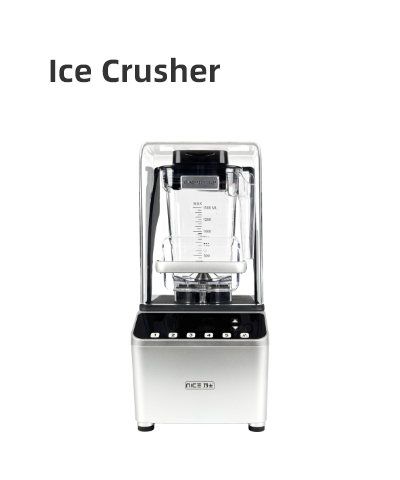
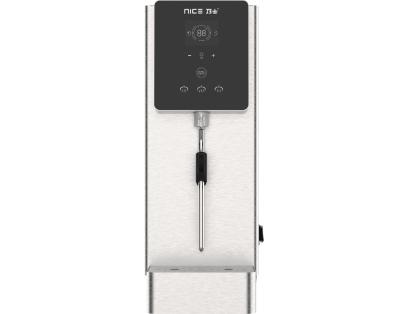
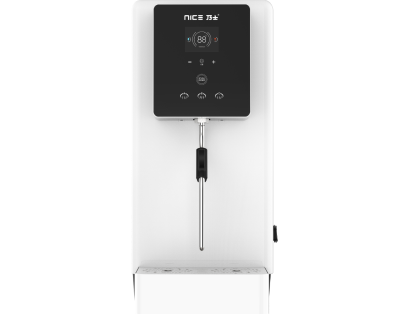
In the fierce competition of the restaurant industry, every adjustment to the menu can be a deliberate business strategy. Among these, transitioning from simply offering meals to introducing professional beverage equipment may seem like adding a few drink options, but in reality, it represents a profound evolution in the business model. Behind this lies a comprehensive response to efficiency, experience, and trends.
First and foremost, the introduction of beverage equipment directly targets the enhancement of commercial efficiency and profitability. The gross margin of a freshly made drink often far exceeds that of many traditional dishes. Like a stream of high-profit "fresh water," it quietly optimizes the restaurant's profit structure. More importantly, there is a natural consumption link between "food" and "drinks." A refreshing fruit tea can cut through the greasiness of grilled meat, while a rich hot drink can enhance the warmth of a dessert. This pairing not only naturally increases the average check per customer but also effectively extends the restaurant's operating hours. As the peak dining period subsides, the afternoon tea or evening gathering crowd can be attracted by a meticulously crafted beverage, allowing the restaurant's space and time to be more fully utilized. This helps smooth out the peaks and troughs of customer flow in operations.
Secondly, it profoundly reshapes the dining experience and becomes a key element in building brand differentiation. When diners can not only savor delicious dishes but also enjoy specially crafted beverages that complement the flavors of the food, their overall satisfaction is elevated to a new dimension. This complete gustatory narrative deepens customers' memory of the brand. At the same time, the process of making drinks on-site—whether it's the focus of hand-pouring coffee or the rhythm of shaking a cocktail shaker—becomes a miniature performance, adding fun to the dining experience and potential for social media dissemination. The restaurant thus transforms from a mere "eating venue" into a more immersive and attractive "composite experience space."
From an operational perspective, beverages and food have a natural synergistic effect in the supply chain. Many ingredients, such as fresh fruits, high-quality dairy products, and specialty spices, can be shared and utilized jointly, reducing overall procurement and storage costs. Additionally, existing refrigeration equipment and human resources in the restaurant can be reused more efficiently. This intrinsic synergy means that the "food + beverage" model is not merely a stacking of categories but a multiplication of operational efficiency.
On a deeper level, this choice is a precise response to contemporary consumption trends. Today's consumers, particularly younger demographics, seek healthier, more personalized, and more ritualistic experiences. Low-sugar fruit teas, probiotic-rich fermented drinks, and non-alcoholic creative concoctions can precisely meet these demands. In an era where the integration of dining and drinking has become an irreversible trend, a restaurant lacking distinctive beverages may inadvertently lose its appeal to potential customers.
Of course, successful implementation requires wisdom. The positioning of beverages must align with the restaurant's main cuisine to create a harmonious flavor dialogue. Initially, the focus should be on a few classic or signature products to ensure stable quality and smooth operations. Through cleverly designed set menus, "food" and "beverages" can be bundled for scenario-based marketing, establishing a strong association in the minds of customers.
Ultimately, equipping a restaurant with beverage equipment holds far greater significance than merely expanding a drink menu. It is a systematic reimagining of the restaurant's "temporal and spatial value," centered on the concept of "experience." It infuses the space with vitality across more hours of the day, extends customers' stay through richer choices, and, in the end, implants a more multidimensional and resilient perception of the brand in the minds of customers. In this era where experience reigns supreme, a perfectly paired beverage is not just a pleasure for the palate but also a steady step toward a more stable and compelling future for the restaurant.